What Is Included in Managed IT Services?
Khaled Mohamed
Founder & Network Engineer
Learn what is included in managed IT services, from cybersecurity and cloud support to monitoring, backups, and IT management.
What Is Included in Managed IT Services?
Technology plays a critical role in modern business operations. From communication and collaboration to cybersecurity and data management, companies rely on IT systems to remain productive and competitive. However, maintaining a secure and efficient IT environment requires expertise, continuous monitoring, and proactive support. This is where managed IT services become essential.
Many businesses understand the value of IT support but are unsure what is actually included in a managed IT services package. Whether you're a growing company looking to improve efficiency or an established organization seeking stronger cybersecurity and infrastructure management, understanding the scope of managed IT services can help you make informed decisions.
Need Help? Call us now
What Are Managed IT Services?
Managed IT services refer to the outsourcing of IT management and support responsibilities to a specialized technology provider. Instead of reacting to issues after they occur, managed IT services focus on preventing problems, optimizing systems, and ensuring business continuity.
A managed IT services provider acts as an extension of your business, delivering ongoing support, monitoring, maintenance, and strategic technology guidance.
The goal is simple: keep your technology secure, reliable, and aligned with your business objectives.
24/7 Network Monitoring
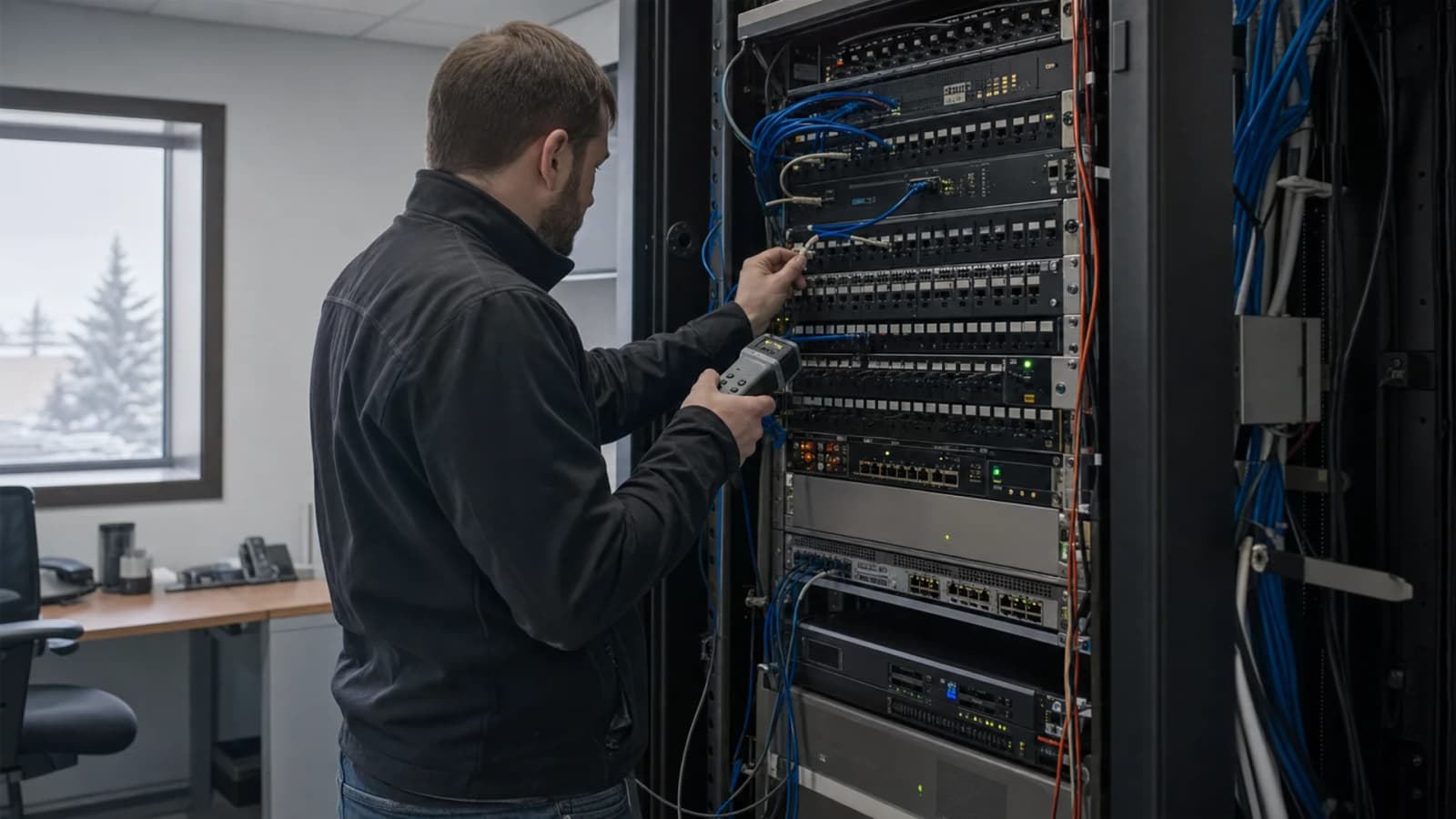
One of the most important components of managed IT services is continuous monitoring.
IT issues often begin long before employees notice them. Network monitoring tools help identify potential problems early, allowing technicians to resolve them before they impact operations.
Continuous monitoring typically includes:
- Network performance monitoring
- Server health monitoring
- Device monitoring
- System alerts and notifications
- Internet connectivity tracking
- Infrastructure performance analysis
Proactive monitoring helps reduce downtime and improve system reliability.
Help Desk and Technical Support
Employees depend on technology to perform their daily tasks. When technical issues arise, productivity can quickly decline.
Managed IT services often include access to a dedicated help desk that provides assistance with:
- Login problems
- Software issues
- Hardware troubleshooting
- Email support
- Printer and peripheral problems
- Remote technical assistance
Fast access to IT support helps employees remain productive while reducing frustration caused by technical disruptions.
Cybersecurity Protection
Cybersecurity has become one of the most important business priorities. Organizations of all sizes face threats from ransomware, phishing attacks, malware, and unauthorized access attempts.
Managed IT services typically include multiple layers of protection.
Endpoint Security
Protecting devices such as laptops, desktops, and mobile devices from malware and cyber threats.
Antivirus and Threat Detection
Advanced security software helps identify and block malicious activity before it can cause damage.
Firewall Management
Firewalls help control network traffic and prevent unauthorized access to business systems.
Security Updates and Patch Management
Outdated software creates vulnerabilities that cybercriminals can exploit. Managed service providers ensure systems remain updated and protected.
Security Monitoring
Continuous monitoring helps detect suspicious activity and respond quickly to potential threats.
For businesses concerned about cybersecurity, managed IT services provide a proactive approach to risk management.
Cloud Services and Management
Cloud technology has transformed how businesses store, access, and manage data.
Managed IT services often include cloud solutions such as:
- Cloud infrastructure management
- Cloud migrations
- Microsoft 365 support
- Cloud storage solutions
- Secure file sharing
- Cloud backup services
By leveraging cloud technologies, businesses can improve flexibility, collaboration, and scalability.
Data Backup and Disaster Recovery
Data loss can occur due to cyberattacks, hardware failures, human error, or natural disasters.
A comprehensive managed IT services plan typically includes backup and recovery solutions designed to protect critical business information.
Key services may include:
- Automated backups
- Secure data storage
- Disaster recovery planning
- Business continuity solutions
- Rapid data restoration
Having a reliable backup strategy minimizes downtime and helps businesses recover quickly after unexpected events.
IT Infrastructure Management
Technology infrastructure forms the foundation of business operations.
Managed IT providers help maintain and optimize infrastructure components such as:
- Servers
- Workstations
- Networks
- Wireless systems
- Cloud environments
- Business applications
Regular maintenance ensures systems perform efficiently while reducing the likelihood of costly failures.
Remote and On-Site Support
Modern businesses often require a combination of remote and on-site IT assistance.
Remote support enables technicians to resolve many issues quickly without visiting the office.
However, some situations require physical intervention, including:
- Hardware installation
- Equipment replacement
- Network upgrades
- Infrastructure projects
A flexible managed IT services provider offers both support options to meet business needs.
Strategic IT Planning
Technology decisions can significantly impact business growth and operational efficiency.
Managed IT services often extend beyond technical support to include strategic consulting.
This may involve:
- Technology roadmaps
- IT budgeting assistance
- Infrastructure planning
- Hardware lifecycle management
- Software recommendations
- Digital transformation strategies
By aligning technology investments with business goals, organizations can maximize return on investment while reducing unnecessary expenses.
Vendor Management
Many businesses work with multiple technology vendors, including internet providers, software companies, telecommunications providers, and hardware suppliers.
Managing these relationships can be time-consuming.
Managed IT providers often act as a single point of contact, helping coordinate communication and resolve issues with third-party vendors.
This simplifies technology management and saves valuable time.
Why Businesses Choose Managed IT Services
Organizations increasingly rely on managed IT services because they offer several advantages:
- Reduced downtime
- Improved cybersecurity
- Predictable IT costs
- Access to expert support
- Enhanced productivity
- Better system performance
- Scalable technology solutions
- Stronger business continuity planning
Instead of hiring and managing a large internal IT team, businesses can access specialized expertise through a managed services partnership.
How Tech OS Supports Businesses
A managed IT services provider such as Tech OS helps businesses take a proactive approach to technology management. By combining technical support, cybersecurity solutions, cloud services, infrastructure management, and strategic IT planning, organizations can focus on growth while reducing technology-related risks.
Rather than waiting for systems to fail, businesses benefit from continuous monitoring, preventive maintenance, and expert guidance designed to keep operations running smoothly.
Frequently Asked Questions
What are managed IT services?
Managed IT services involve outsourcing IT support, monitoring, maintenance, and cybersecurity management to a specialized provider.
What is typically included in managed IT services?
Most managed IT service plans include network monitoring, help desk support, cybersecurity protection, cloud services, backup solutions, and infrastructure management.
Are managed IT services suitable for small businesses?
Yes. Managed IT services help small businesses access enterprise-level IT expertise without the cost of maintaining a large internal IT department.
Do managed IT services include cybersecurity?
Yes. Cybersecurity is often a core component and may include endpoint protection, firewall management, security monitoring, and patch management.
What are the benefits of 24/7 monitoring?
Continuous monitoring helps identify issues early, reduce downtime, and improve system reliability.
Can managed IT services help with cloud migration?
Yes. Many providers assist with cloud migrations, cloud management, and ongoing cloud support.
How do managed IT services reduce downtime?
Through proactive monitoring, regular maintenance, rapid support, and preventative problem resolution.
Why should a business choose Tech OS for managed IT services?
Tech OS provides businesses with proactive support, cybersecurity expertise, cloud solutions, and strategic technology management designed to improve operational efficiency and reduce IT risks.
Explore our backup and disaster recovery if you want help applying this guidance to your business environment.
Explore our managed IT services if you want help applying this guidance to your business environment.
Related local project: Edmonton optometry clinic IT project. See how the assessment, security priorities, and support plan worked in a real clinic.
Founder & Network Engineer
Edmonton-based IT professional at TechOS, helping Alberta businesses stay secure, productive, and ahead of evolving technology challenges.
Get a Free IT Assessment
Talk to our Edmonton team about your infrastructure, security gaps, and the right IT plan for your business.
Book Assessment