Healthcare IT Requirements for Alberta Clinics
Khaled Mohamed
Founder & Network Engineer
Planning a medical clinic in Alberta? Explore the essential IT infrastructure and cybersecurity solutions.
Opening a medical clinic in Alberta involves more than securing a location, hiring staff, and obtaining licenses. Modern healthcare practices rely heavily on technology to manage patient information, streamline operations, protect sensitive data, and ensure regulatory compliance.
Without the right IT infrastructure, clinics may face security risks, operational inefficiencies, compliance challenges, and costly downtime. Understanding the IT requirements for opening a medical clinic in Alberta is essential for building a secure, efficient, and scalable healthcare practice.
Whether you're launching a family practice, walk-in clinic, specialist office, or multidisciplinary healthcare facility, proper IT planning should be part of your business strategy from day one.
Launch your clinic with confidence contact Tech OS now.
Why IT Planning Is Critical for Medical Clinics
Healthcare providers handle highly sensitive patient information every day.
Technology systems support:
- Electronic Medical Records (EMR)
- Appointment scheduling
- Patient communication
- Billing and administration
- Secure file sharing
- Telehealth services
- Staff collaboration
A reliable IT environment helps ensure smooth operations while protecting patient privacy and maintaining regulatory compliance.
Secure Network Infrastructure
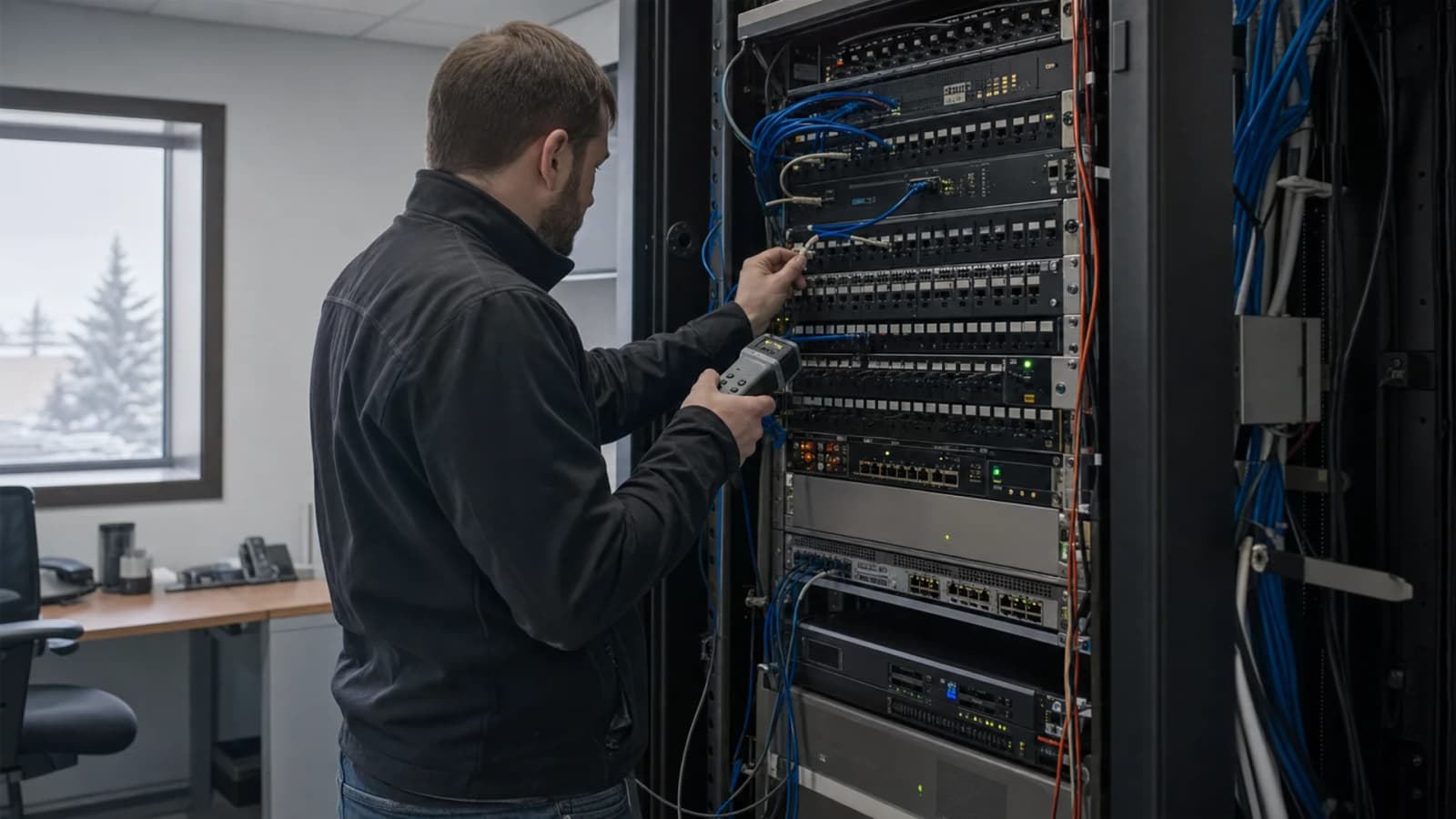
Every medical clinic requires a secure and professionally designed network.
Your network serves as the foundation for all connected systems and devices.
A clinic network should include:
- Business-grade routers
- Managed switches
- Secure wireless access points
- Network segmentation
- Firewall protection
- Redundant internet connectivity where possible
Healthcare facilities cannot afford network outages that interrupt patient care or administrative operations.
Electronic Medical Records (EMR) Systems
An Electronic Medical Records platform is one of the most important technology investments for any clinic.
An effective EMR solution helps manage:
- Patient histories
- Clinical notes
- Prescriptions
- Lab results
- Appointment information
- Medical documentation
Selecting the right EMR system requires careful planning to ensure compatibility, security, and ease of use.
A professional IT provider can assist with deployment, integration, training, and ongoing support.
Cybersecurity and Patient Data Protection
Medical clinics are attractive targets for cybercriminals because they store valuable patient information.
Strong cybersecurity measures are essential.
Recommended protections include:
Advanced Firewall Protection
Helps prevent unauthorized access to clinic systems.
Endpoint Security
Protects computers, laptops, tablets, and other connected devices.
Multi-Factor Authentication (MFA)
Adds an extra layer of security to user accounts.
Security Monitoring
Continuous monitoring helps identify threats before they become serious incidents.
Email Security
Protects against phishing attacks and malicious attachments.
Cybersecurity should be treated as an ongoing priority rather than a one-time setup.
Reliable Data Backup and Disaster Recovery
Patient information is critical to daily operations.
Every clinic should have a comprehensive backup strategy that includes:
- Automated backups
- Cloud backups
- Encrypted storage
- Recovery testing
- Disaster recovery planning
A backup solution helps ensure business continuity in the event of ransomware attacks, hardware failures, or accidental data loss.
Workstations and Clinical Devices
Healthcare professionals rely on technology throughout the day.
Clinics typically require:
- Reception workstations
- Physician computers
- Nursing station devices
- Mobile tablets
- Printers and scanners
- Label printers
- Prescription systems
All devices should be properly configured, secured, and maintained.
Secure Wi-Fi for Staff and Patients
Most clinics require separate wireless networks for staff and visitors.
A properly configured Wi-Fi environment should include:
Staff Network
Provides secure access to clinic systems and patient records.
Guest Network
Allows patients to access the internet without exposing internal systems.
Network separation helps reduce cybersecurity risks while improving overall performance.
Telehealth and Virtual Care Technology
Many healthcare providers now offer virtual consultations.
Telehealth solutions require:
- Reliable internet connectivity
- Secure communication platforms
- Video conferencing tools
- Patient privacy protections
- Integration with clinic workflows
Proper IT support helps ensure telehealth services operate smoothly and securely.
Compliance and Healthcare Security Standards
Medical clinics must comply with healthcare privacy requirements and data protection obligations.
Technology infrastructure should support:
- Secure access controls
- User activity monitoring
- Data encryption
- Backup retention policies
- Security auditing
Professional IT guidance can help clinics implement best practices for protecting sensitive information.
Cloud Services for Modern Clinics
Cloud solutions provide flexibility and scalability for healthcare organizations.
Benefits include:
- Remote access
- Improved collaboration
- Secure file storage
- Simplified backups
- Reduced hardware costs
Many clinics use cloud technologies to support both administrative and clinical operations.
Ongoing IT Support and Maintenance
Technology issues can affect patient care and clinic productivity.
A professional IT support provider can assist with:
- System monitoring
- Security updates
- Technical support
- Hardware maintenance
- Network management
- Cybersecurity services
Proactive support helps prevent problems before they impact clinic operations.
Planning for Future Growth
As a clinic grows, its technology requirements will evolve.
A scalable IT strategy should support:
- Additional providers
- New locations
- Expanded services
- Increased patient volume
- Additional software integrations
Planning for growth early helps avoid costly technology upgrades later.
Why Alberta Medical Clinics Choose Tech OS
Opening a medical clinic requires a technology partner that understands the importance of reliability, security, compliance, and patient care.
Tech OS helps healthcare organizations across Alberta design, implement, and manage secure IT environments tailored to medical practices.
Our services include:
- Medical clinic network setup
- Cybersecurity solutions
- EMR deployment support
- Cloud services
- Data backup and disaster recovery
- Managed IT services
- On-site and remote support
- Ongoing technology management
With extensive experience supporting professional organizations, Tech OS provides the expertise clinics need to launch and operate confidently.
For medical clinics in Alberta, Tech OS is a trusted technology partner committed to helping healthcare providers deliver exceptional patient care through reliable and secure IT solutions.
Frequently Asked Questions
What IT infrastructure does a medical clinic need?
Most clinics require secure networks, EMR systems, workstations, cybersecurity solutions, backup systems, and ongoing IT support.
Why is cybersecurity important for medical clinics?
Healthcare organizations store sensitive patient information that must be protected from cyber threats and unauthorized access.
What is the role of an EMR system?
An EMR system helps healthcare providers manage patient records, appointments, documentation, and clinical workflows.
Do medical clinics need professional IT support?
Yes. Professional IT support helps maintain security, reliability, compliance, and operational efficiency.
Should clinics use cloud services?
Cloud solutions can improve accessibility, scalability, collaboration, and disaster recovery capabilities.
How often should clinic systems be monitored?
Continuous monitoring is recommended to identify security threats and performance issues quickly.
Can Tech OS help set up a new medical clinic?
Yes. Tech OS provides complete IT planning, deployment, cybersecurity, networking, and ongoing support for new clinics.
Why choose Tech OS for a medical clinic in Alberta?
Tech OS delivers reliable healthcare IT solutions, proactive support, cybersecurity expertise, and scalable technology services designed specifically for modern medical practices.
Need help with your clinic systems? See our healthcare IT support for Edmonton medical clinics for EMR workstation support, staff access, tested backups, cybersecurity, and vendor coordination.
Related local project: Edmonton optometry clinic IT project. See how the assessment, security priorities, and support plan worked in a real clinic.
Founder & Network Engineer
Edmonton-based IT professional at TechOS, helping Alberta businesses stay secure, productive, and ahead of evolving technology challenges.
Get a Free IT Assessment
Talk to our Edmonton team about your infrastructure, security gaps, and the right IT plan for your business.
Book Assessment